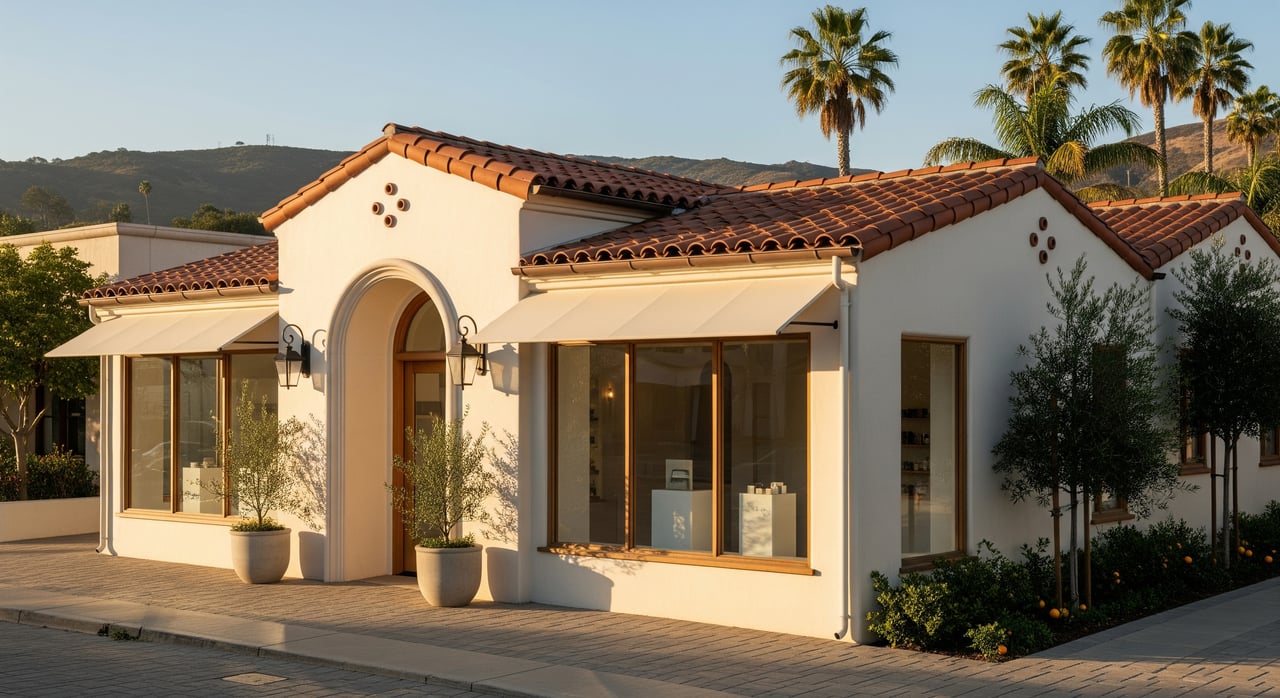
Is your Camarillo storefront sitting idle while the right tenants pass by? You are not alone. With the pull of U.S. 101, the Camarillo Premium Outlets, and Old Town events, the market is active, but you still need a clear plan to capture qualified tenants. In this guide, you will get a practical, step-by-step leasing strategy tailored to Camarillo so you can position your space, price it wisely, market it well, and sign better deals with confidence. Let’s dive in.
Know your trade area
Start with data. Your space serves both local residents and a regional audience. Look at a 3 to 5 mile drive-time for neighborhood demand and a 10 to 20 mile regional draw that includes Oxnard, Thousand Oaks, and Ventura. This helps you size your customer base and match tenants to actual traffic.
Map your core drivers. The Camarillo Premium Outlets create strong regional visits that spill into nearby centers. Old Town Camarillo supports walkable, local-serving retail and event traffic. U.S. 101 commuter flows shape daytime and convenience demand. Calibrate your leasing story around these factors.
Use credible sources for validation. City and federal data help you understand households, income, and business activity, while commercial data vendors provide trade-area and demographic detail. Foot-traffic analytics can show where visitors come from and when they shop. Pulling these inputs into a one-page summary gives tenants and brokers confidence in your site.
Confirm zoning and permits
Before any outreach, confirm the parcel’s zoning and permitted uses with the City of Camarillo Planning Division. Zoning determines allowed categories, parking ratios, signage, and hours. For food and beverage concepts, connect early with county environmental health and building departments to understand timelines and requirements. This keeps deals from stalling later.
Position and target tenants
Decide how your space should compete. Your positioning guides tenant outreach and marketing language.
- Neighborhood-serving: Grocers, personal services, dental, veterinary, and quick-serve restaurants. These tenants rely on resident density, easy access, and parking.
- Convenience and impulse: Coffee, grab-and-go, pet supplies, and parcel pickup. These work along commuter routes and near high-traffic draws.
- Destination and experiential: Boutique retail, fitness studios, entertainment, and full-service dining. These need a regional catchment, strong branding, and event support.
- Omnichannel or showroom: Brands using a small footprint for pickup and brand experience. Visibility and proximity to affluent households or heavy highway traffic help.
Camarillo-priority categories
Focus outreach where the market is already strong:
- Food and beverage: Fast-casual, coffee, and grab-and-go near commuter paths. Consider full-service where both daytime and evening traffic justify it.
- Personal services: Medical, dental, physical therapy, salons, and day spas. These uses are resilient and often sign longer leases.
- Fitness and wellness: Boutique fitness, yoga, and specialty wellness for small to mid-size bays.
- Value and tiered retail: Small-format apparel and footwear that complement, not duplicate, outlet assortments.
- Convenience and last-mile: Parcel pickup and returns to serve e-commerce habits.
- Flex and incubator: Pop-ups and artisan concepts to activate space and test ideas.
Co-tenancy and adjacency
Anchor proximity shapes the shopper profile. Near the outlets, target tenants that benefit from spillover without competing directly with outlet brands. In Old Town, lean into local-serving and experiential concepts. Use sensible adjacency planning and consider exclusivity only for anchors or to protect niche tenants where it truly matters.
Price and structure deals
Price on reality, not wishful thinking. Build a comp set from similar centers, visibility, parking, and frontage. Adjust for condition, such as white-box versus built-out, and for the tenant improvements required. Work from an asking base rent and calculate the effective rent after concessions so you can negotiate confidently.
Choose the right lease type for the deal:
- NNN: Common for Southern California retail. Tenant pays taxes, insurance, and CAM in addition to base rent.
- Modified gross or gross: Useful for smaller storefronts or service tenants where simplicity helps.
- Percentage rent: Pair a base minimum with a sales percentage in high-volume locations. Define transparent breakpoints and audit rights.
- Short-term pop-up: Three to twelve month terms to activate vacancy and test demand.
Smart incentives and protections
Use incentives to reduce risk and speed up opening:
- Tenant Improvement allowance: Tie the allowance to build-out cost, tenant credit, and term. Structure as an allowance or reimbursement, or perform the work.
- Free rent: Often tied to TI and build-out timing. Front-load for strong credit or longer terms.
- Marketing support: Offer a co-op fund or match a launch campaign to help tenants ramp.
- Escalations and CAM caps: Use CPI or fixed steps and consider caps or a CAM stop for predictability.
- Percentage rent breakpoints: Define natural or true breakpoints and ensure audit rights.
Negotiate beyond rent
Speed and support can make your deal stand out. Offer help with permitting, landlord-provided build-out crews, extended access hours, staged opening plans, grand-opening support, and clear signage guidelines. Consider graduated rent steps tied to performance or earn-backs where a higher rent kicks in if sales targets are met.
Marketing that works
Do not rely on a single listing. Combine broker relationships, commercial marketplaces, and targeted outreach.
- Listings and broker outreach: Publish on commercial MLS platforms and major marketplaces. Share a polished offering memorandum with floor plans, vision imagery, rent comps, traffic counts, and demographics. Host broker tours and virtual tours for decision-makers who cannot visit easily.
- Tenant recruitment: Build a direct outreach list of regional operators and franchisors that fit your trade area. Use targeted email and phone campaigns with clear space specs, incentives, and co-tenancy highlights.
- Consumer activation: Prove demand to prospects by running geotargeted ads around the outlets, Old Town, and commuter routes to support pop-ups or grand openings. Share metrics from foot-traffic tools to demonstrate visit potential and origin-destination flows.
- Local channels: Tap Nextdoor and local Facebook groups, and coordinate with the Camarillo Chamber of Commerce and city event calendars to reach operators and residents.
- On-site visibility: Install attractive window graphics with a QR code that links to your OM and inquiry form. It captures interest during tours and drive-bys.
Keep a tight outreach cadence
Maintain a six-week campaign cycle for top prospects. Touch each target at least once per week across email, phone, and social proof. Track responses and schedule tours quickly. Momentum matters.
Implementation checklist
Before you go to market, set the table for faster deals:
- Confirm zoning and permitted uses with the city.
- Gather clear floor plans, NNN estimates, and utility capacities.
- Prepare a tenant-ready OM with photos, plans, traffic counts, demographics, recent rent comps, common area rules, and TI options.
- Document signage locations and permitting steps.
- Verify environmental and health requirements for food tenants.
KPIs to track
Measure what matters so you can adjust quickly:
- Inquiry velocity: Inquiries per week per listing.
- Tour-to-LOI conversion: Percent of tours that lead to offers.
- Days on market: From vacancy to lease signing.
- Effective rent: Base rent minus the dollar value of concessions amortized over the term.
- Tenant mix balance: Share of revenue-driving categories such as food and beverage, services, and retail.
- Occupancy and net absorption: Track quarterly progress.
90-day leasing plan
Use this practical timeline to bring structure to your efforts.
- Weeks 1 to 2: Validate zoning. Finalize OM, floor plans, NNN estimates, TI framework, and signage plan. Photograph the space, produce a simple 3D or video tour, and design window graphics with QR code.
- Weeks 2 to 3: Launch listings on commercial platforms. Email the OM to a curated broker list. Begin direct outreach to targeted tenant categories that fit your positioning. Start paid geotargeted ads for a weekend pop-up or community event inside the space.
- Weeks 3 to 6: Host weekly broker tours and at least one community activation to prove demand. Share foot-traffic results and engagement metrics with prospects. Gather feedback and refine asking terms and incentives.
- Weeks 6 to 9: Prioritize hot prospects. Offer expedited permit support and tailored TI structures. Negotiate LOIs with clear timelines, deliverables, and contingency dates. Keep the pop-up program running to maintain visibility.
- Weeks 9 to 12: Convert LOIs to leases. Coordinate architect and contractor introductions. Lock in marketing co-op details and a grand-opening plan. Update listings to reflect pending suites and highlight remaining availabilities.
What to expect on timing
Leasing timelines vary by location, suite size, and market conditions. By tracking local comps, maintaining a weekly outreach cadence, and using incentives strategically, you position your space to compete well with nearby centers. Set a days-on-market goal that aligns with similar Ventura County strip or neighborhood centers and adjust your plan as the KPIs guide you.
Ready to move?
If you want local, data-informed execution with polished marketing and hands-on deal support, our family-run team is here to help. We combine neighborhood knowledge with commercial leasing experience across Ventura County to position your space, market it, and negotiate the right deal structure for your goals. Connect with The Easley Group to start your leasing plan today.
FAQs
What is the best first step to lease a Camarillo retail space?
- Validate your trade area and confirm zoning, then prepare a complete offering memorandum with plans, photos, and NNN estimates before you list.
Which tenant types are strongest in Camarillo right now?
- Food and beverage, personal services, boutique fitness, convenience uses, and small-format value retail perform well when matched to the right location and traffic drivers.
Should I offer percentage rent for a Camarillo location?
- Consider percentage rent near strong traffic generators when a base minimum plus a clear breakpoint and audit rights can align interests and reward sales growth.
How much Tenant Improvement allowance should I provide?
- Tie TI to build-out cost, tenant credit, and lease term, and require early contractor bids so the allowance aligns with real construction needs.
How can I reduce vacancy time without slashing rent?
- Activate the space with short-term pop-ups, run a tight six-week outreach cadence, use strong visuals and QR codes, and offer permitting support to speed openings.